Block A, Thokoza Women’s Hostel
Block A, Thokoza Women’s Hostel artwork offers a record of life in a contemporary African city. It documents the domestic situation of informal traders and working women living beyond the usual contexts of family and tradition. With the equivalent of over 5 000 residents per hectare, it is the most densely inhabited residential site in Durban. It is over-crowded as women seek independence and a safe haven from a male dominated society.
The hostels in South Africa are a fascinating and paradoxical remainder of the apartheid programme. They were initially established to ‘temporarily’ house a conveniently located pool of cheap black labour in urban areas; where permanent residence for blacks was prohibited through the Group Areas Act. Built as single sex accommodation, the hostels were like barracks, with dormitories and shared facilities.
Since 1994 there have been initiatives to replace hostels because they are symbolic of the past and also the scene of political manipulation. Several attempts have been made at a strategic policy level and on the ground to upgrade this form of housing, which provides poor, (in some opinions) inhumane, living conditions. They are difficult and expensive for the state to manage and yet the hostels prevail. Despite attempts at upgrading by city authorities, hostels remain essentially under-serviced and very cramped. Demand for hostel places is nevertheless high and the hostels are invariably overcrowded – beds sometimes being handed on from generation to generation.
The Thokoza Women’s Hostel was the first African women’s hostel in South Africa, built in 1925. During the apartheid years it was the only authorised place where black women arriving from outlying areas were allowed to stay in the city. The hostel remains a popular residence of choice in contemporary South Africa.
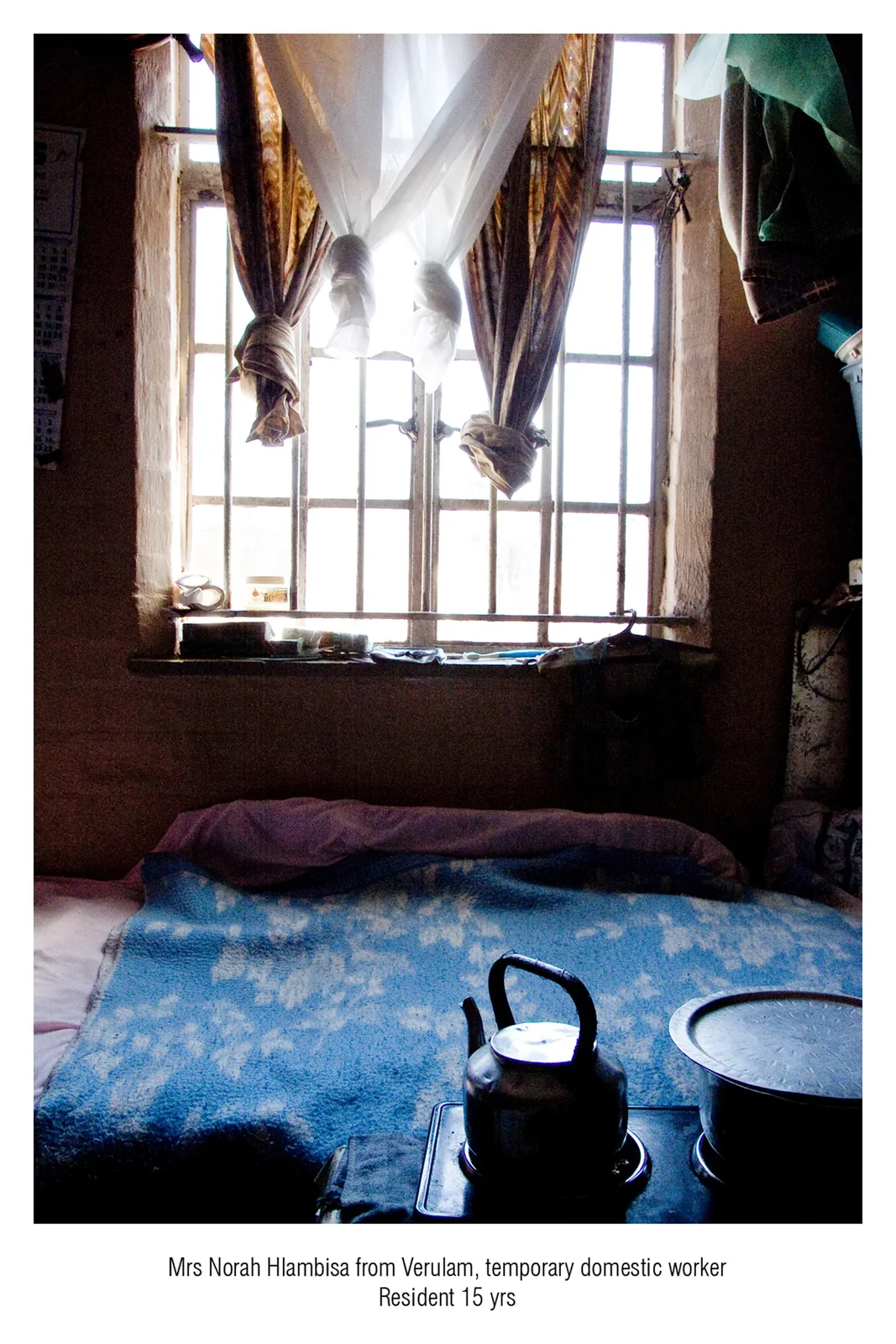
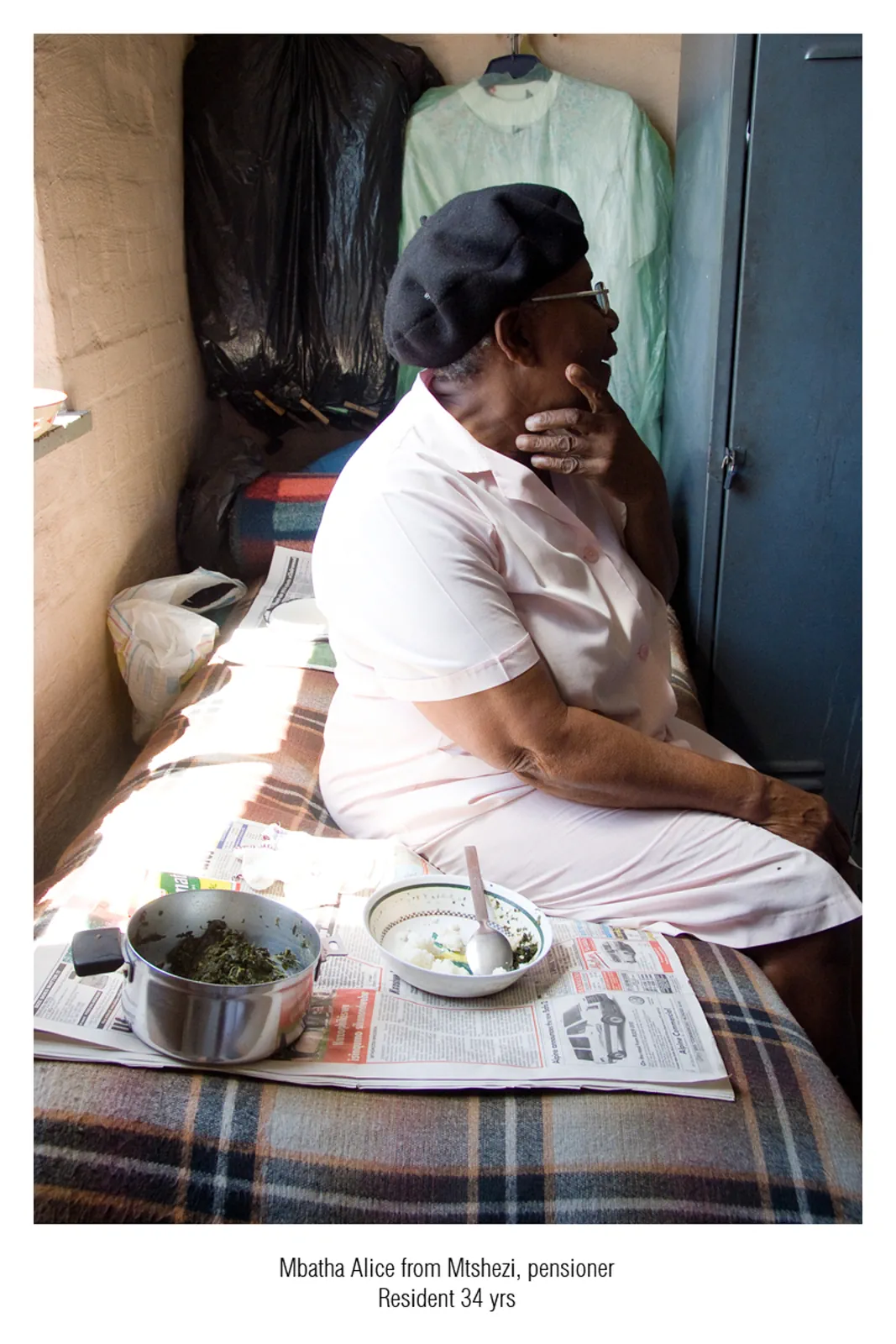
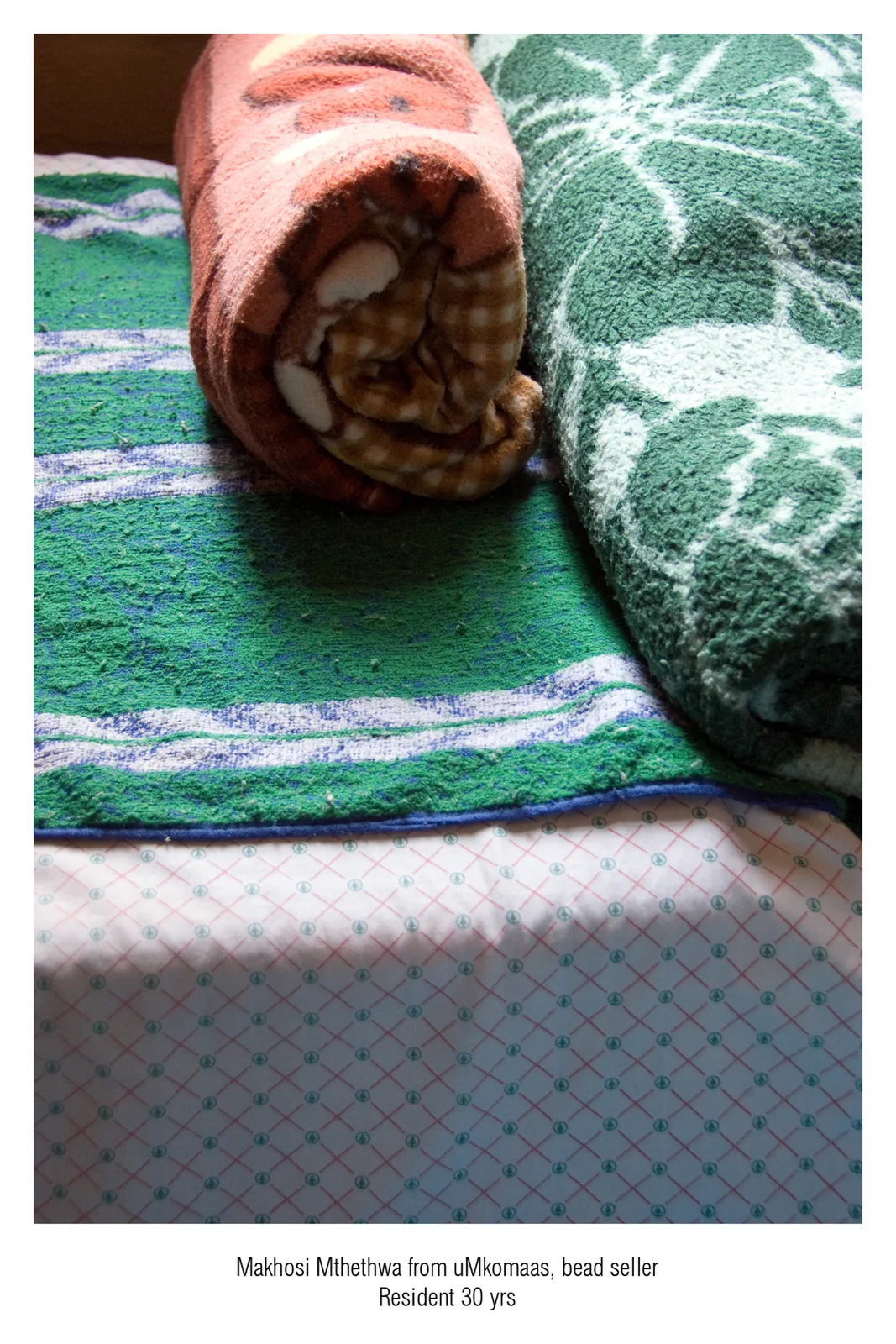
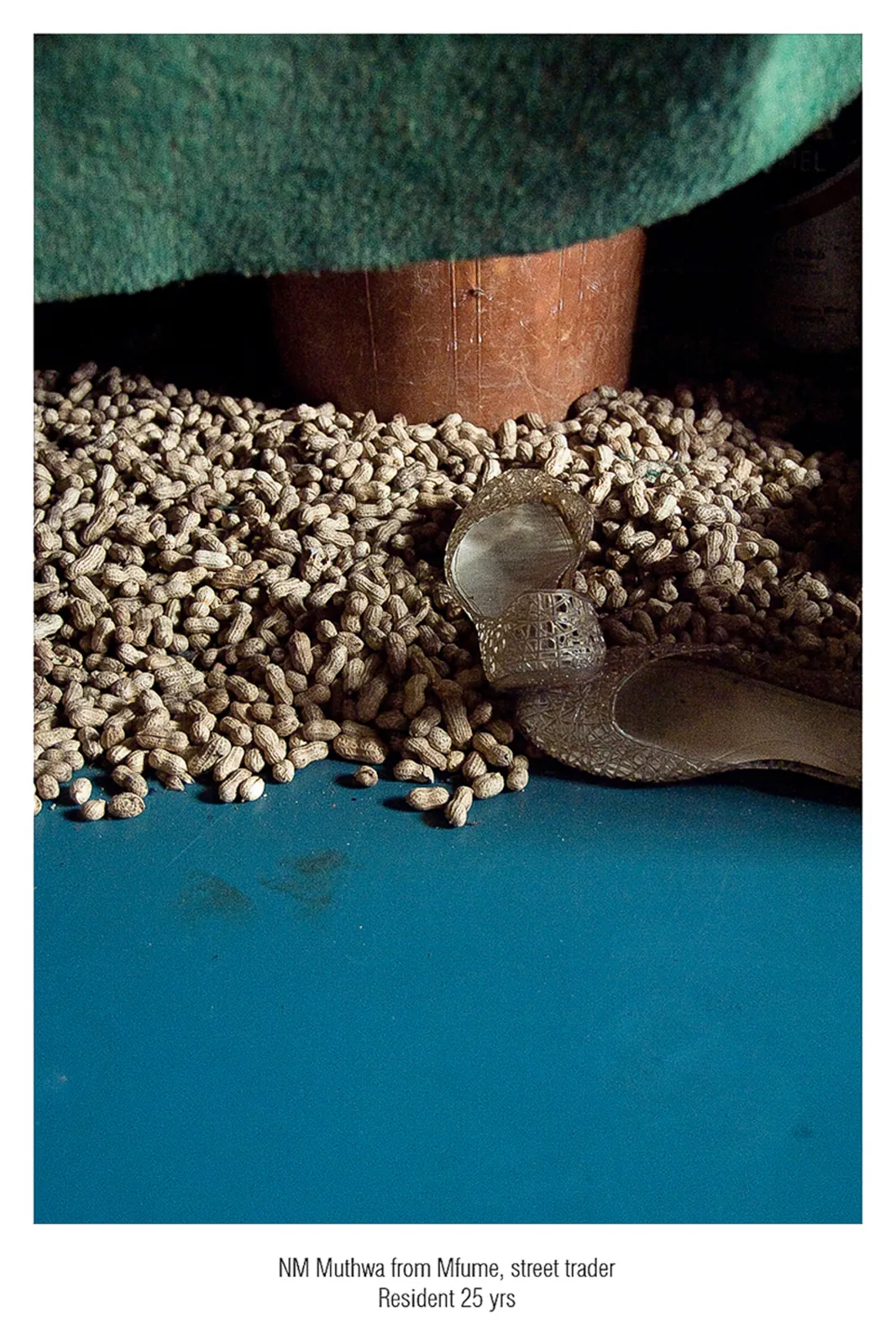
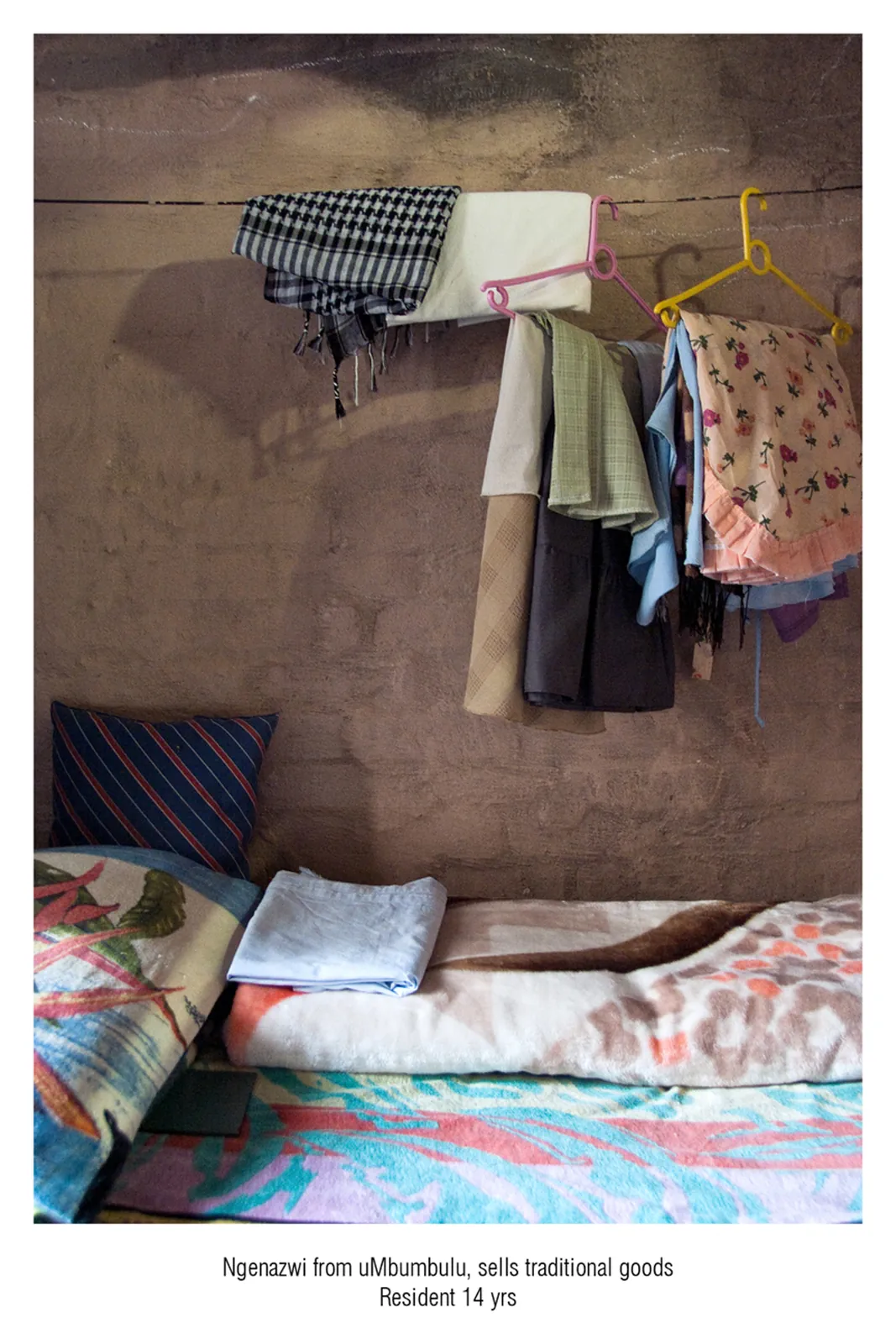
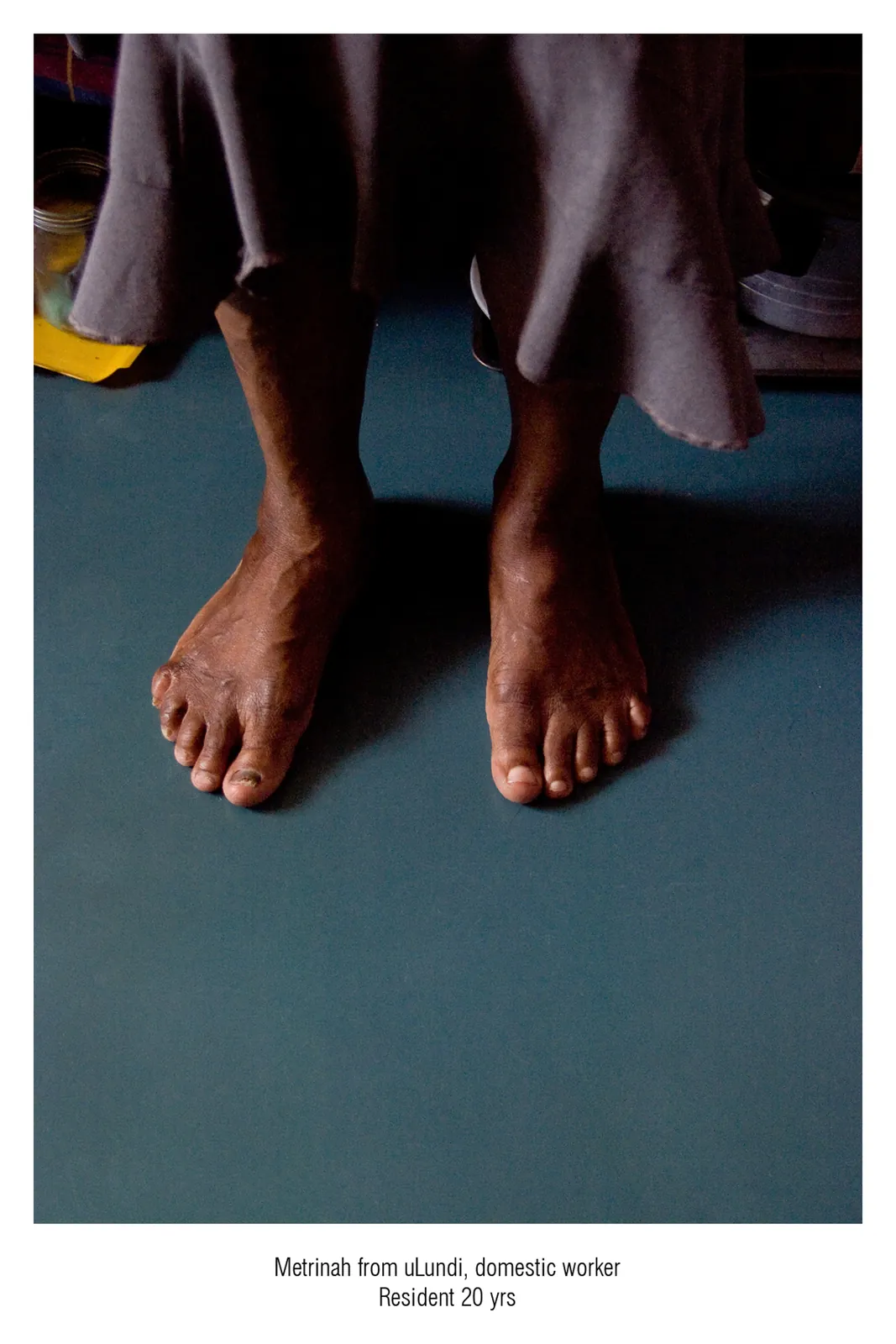
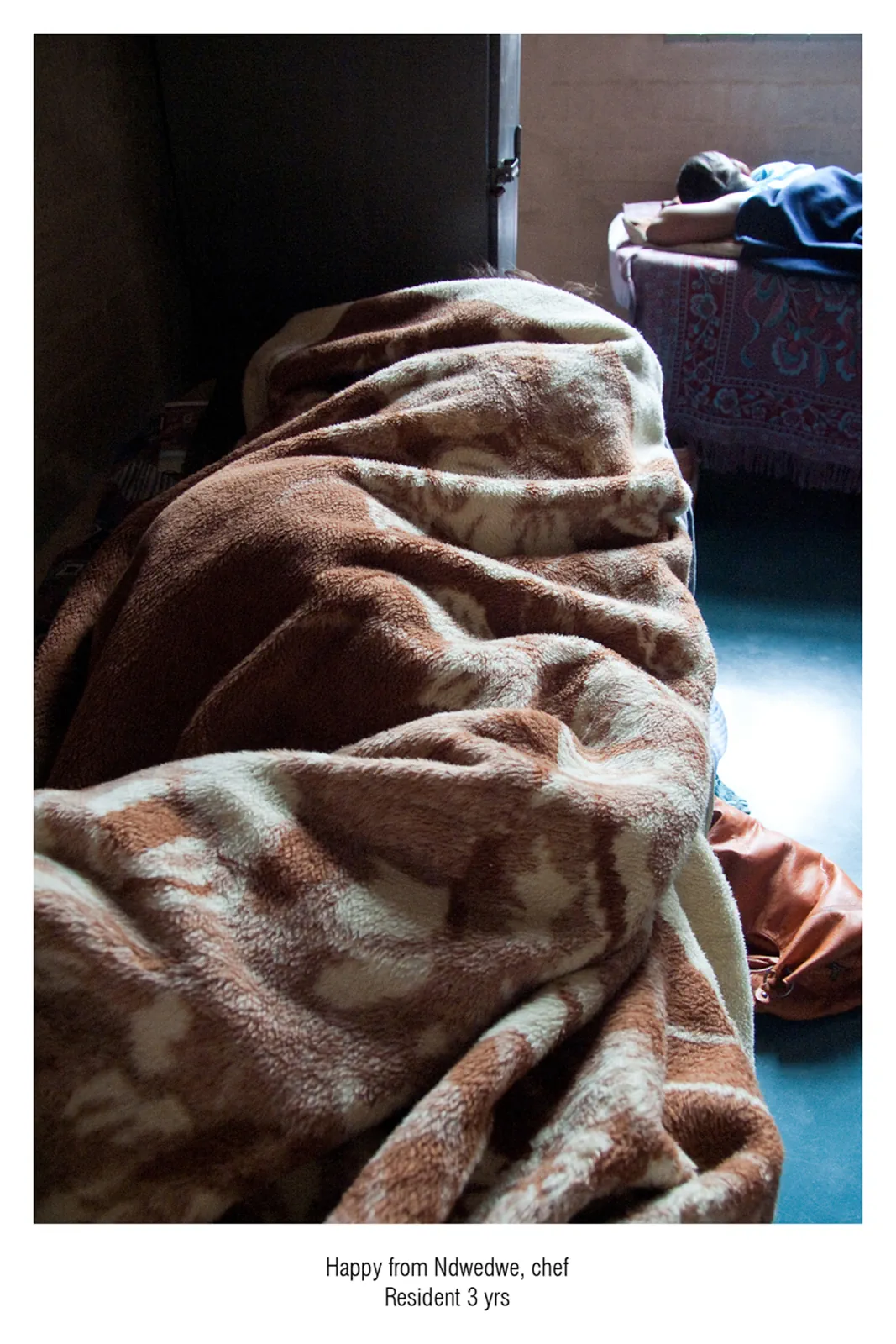
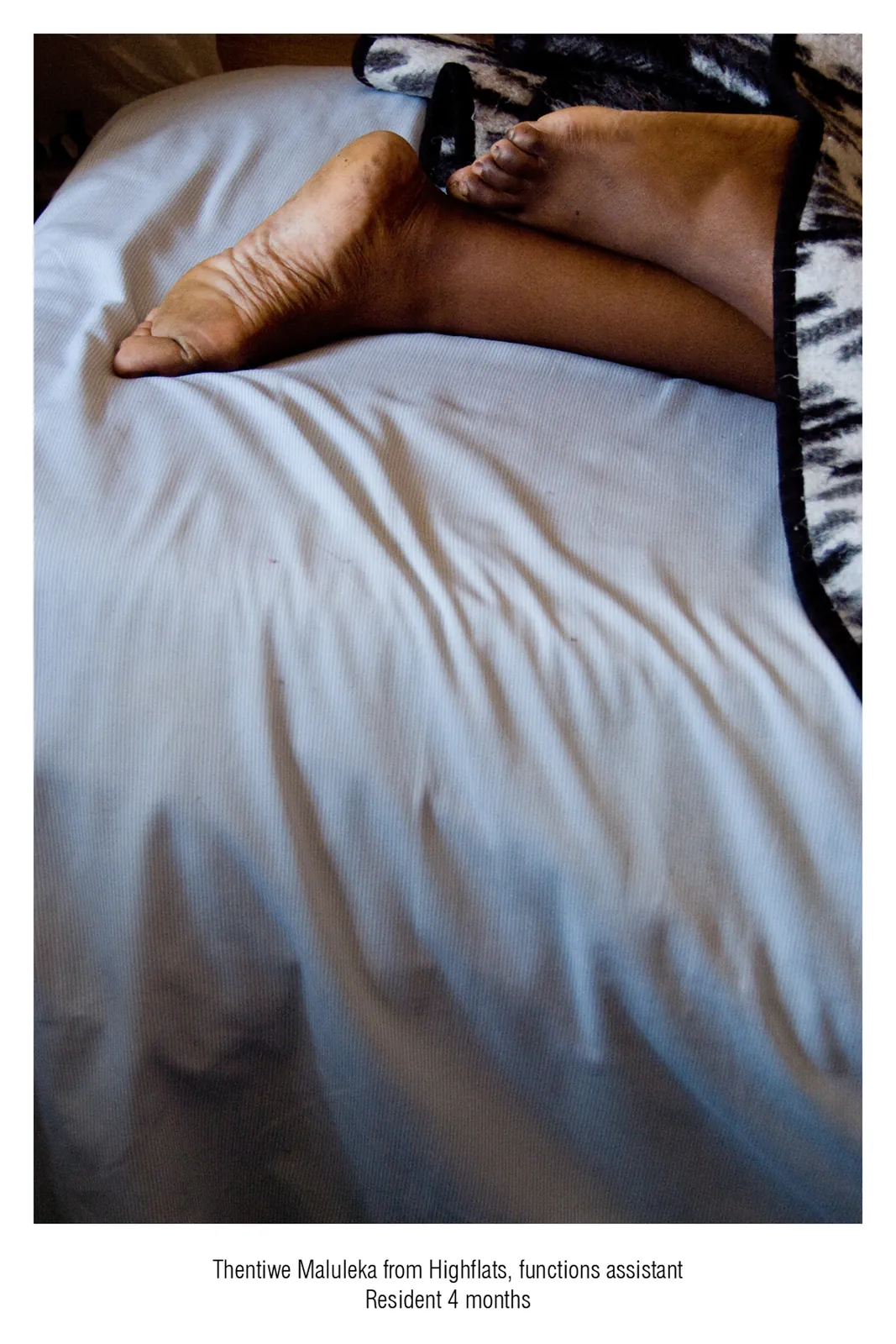
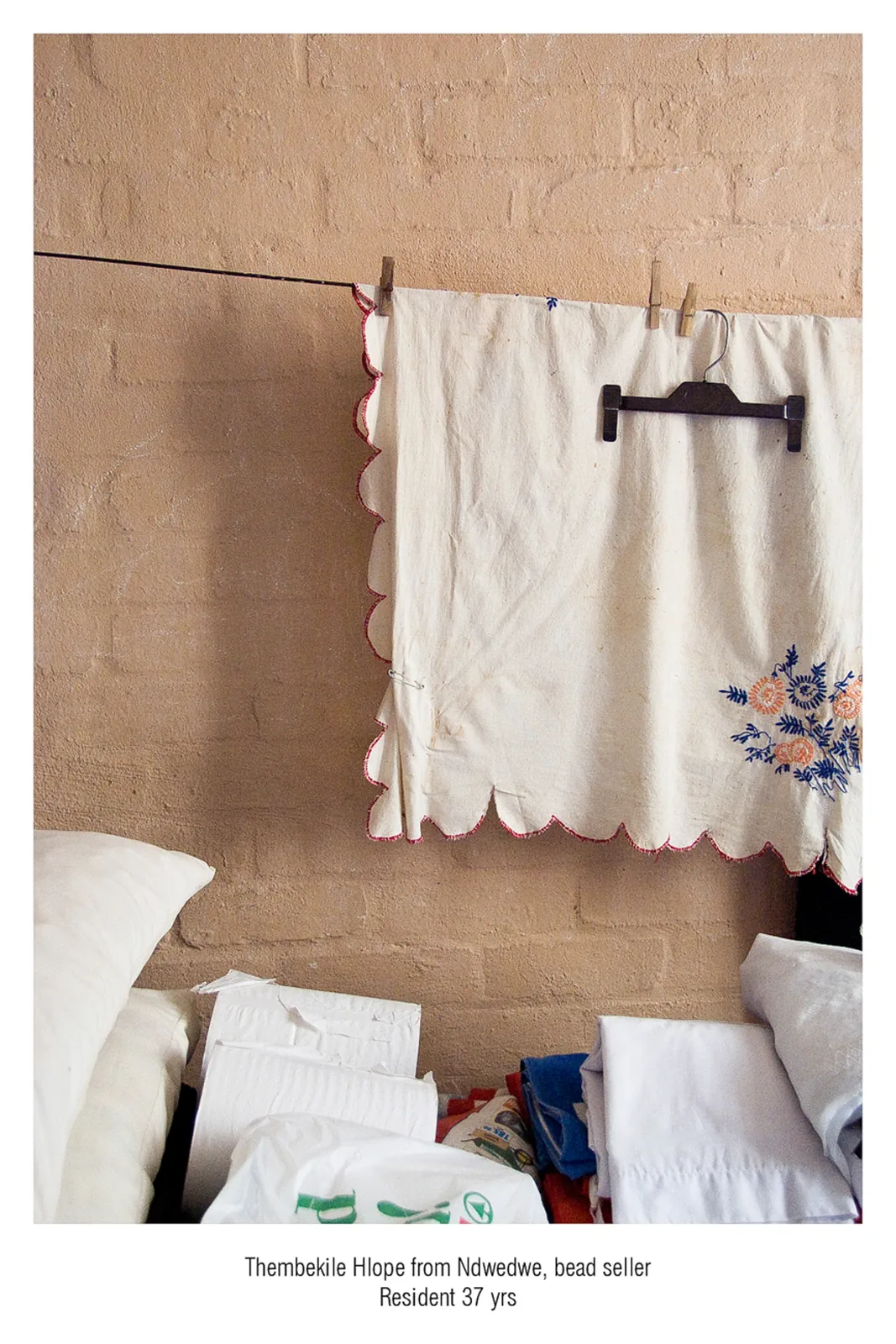
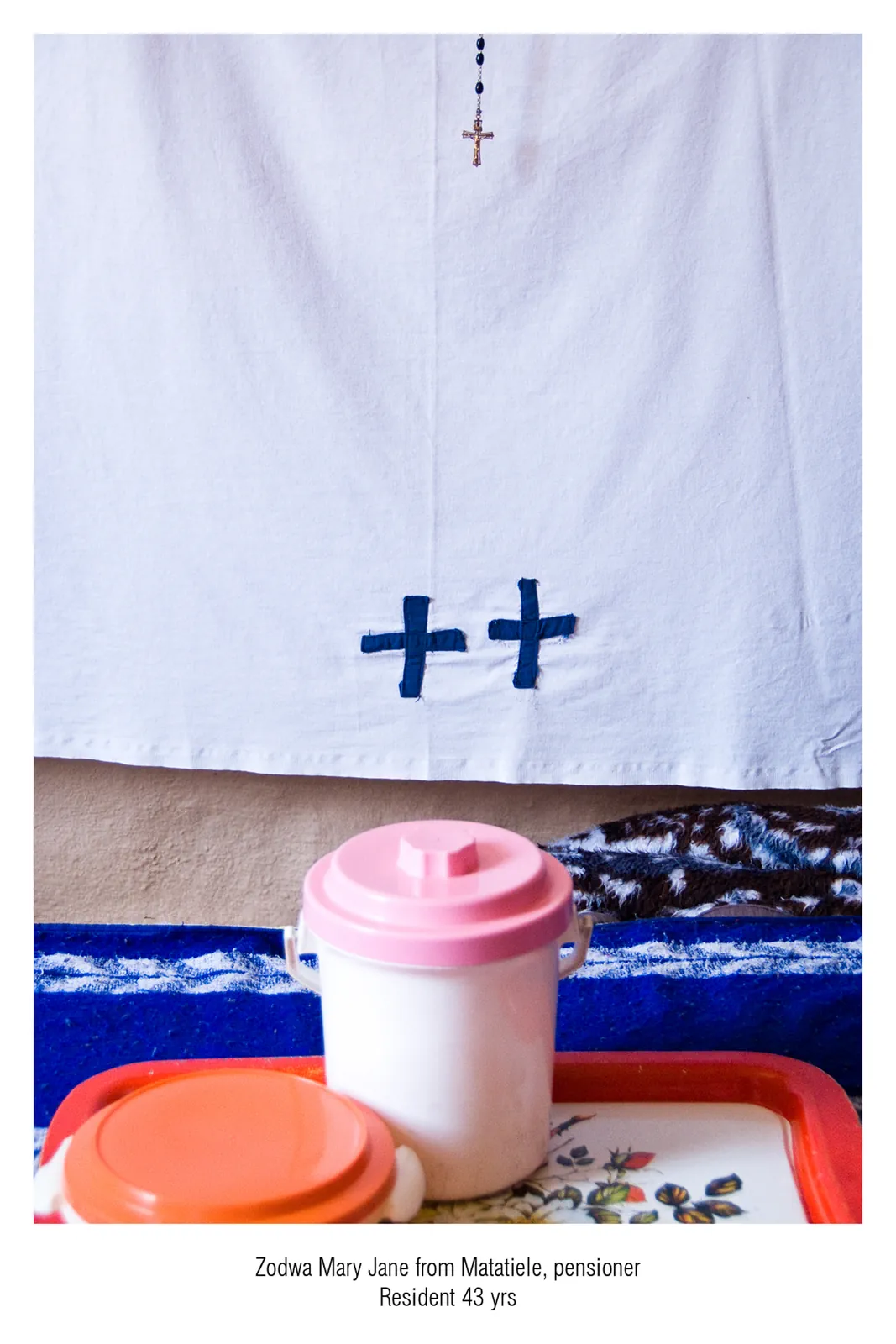
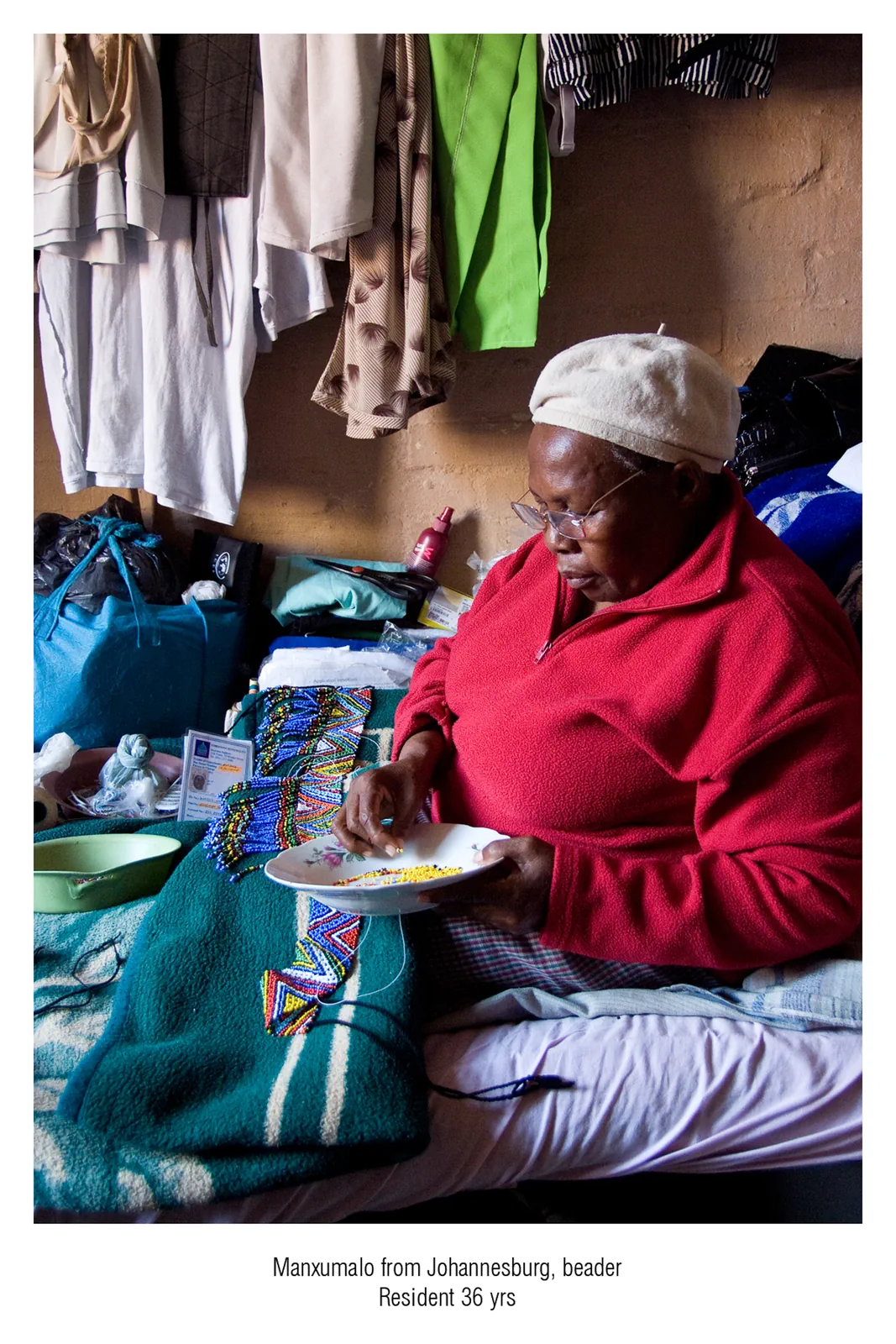
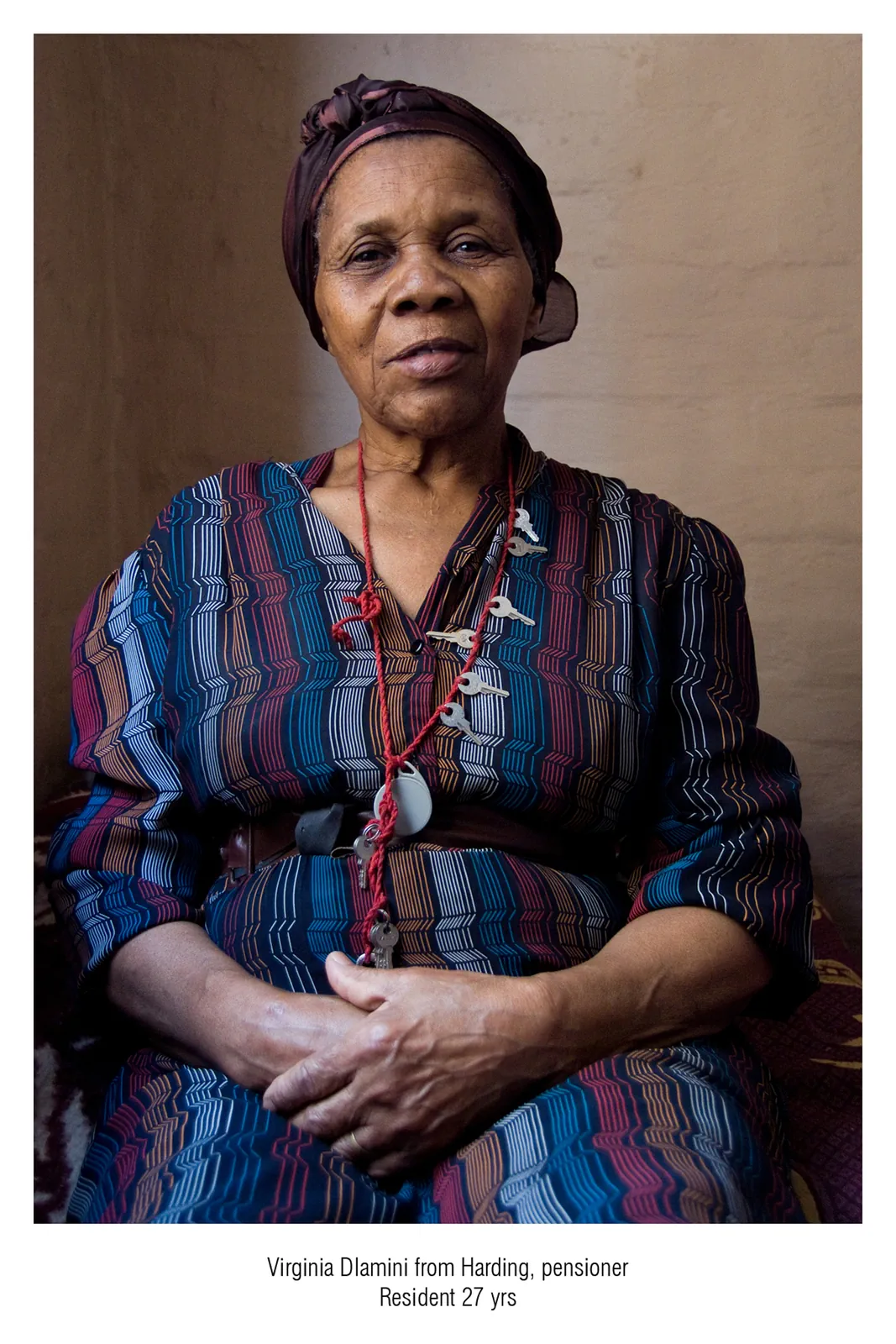
Thokoza (Happiness) residents live in small rooms, originally designed to accommodate three beds; sometimes additional people sleep on the floor, but there is no trace of their presence during the day. These are young women waiting to inherit a bed. They begin by waiting for months for vacancies to occur then they move into a dormitory and eventually onto the floor of one of the bedrooms. They will eventually get allocated one of the three beds in the room and pay a monthly rental.
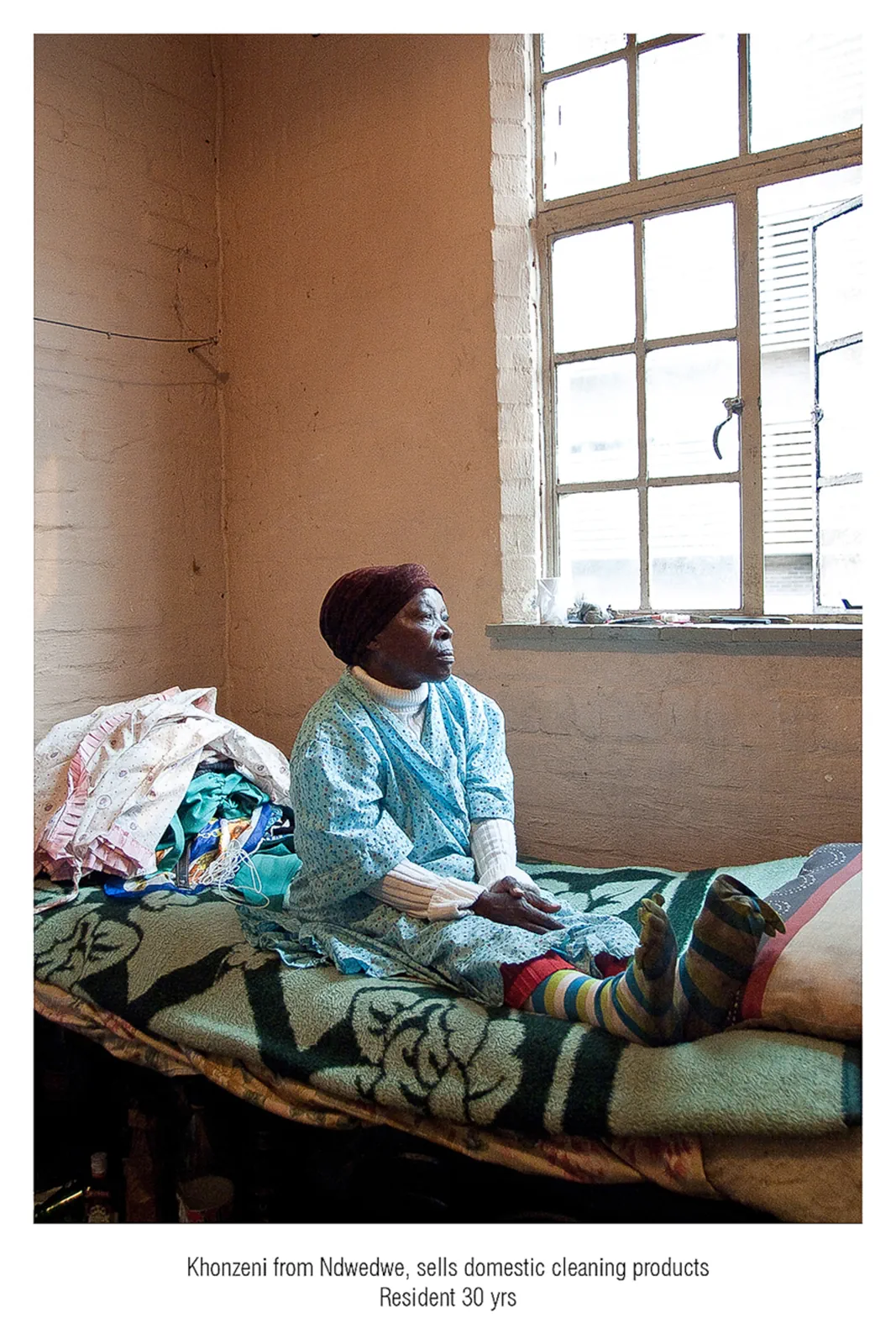
Close living like this requires discipline and respect between the women. Often crammed rooms or differing political viewpoints yield tension, especially between young and elderly. Hierarchy also plays a role in these demanding spaces; the resident who has lived in the room the longest, gets the bed next to the window.
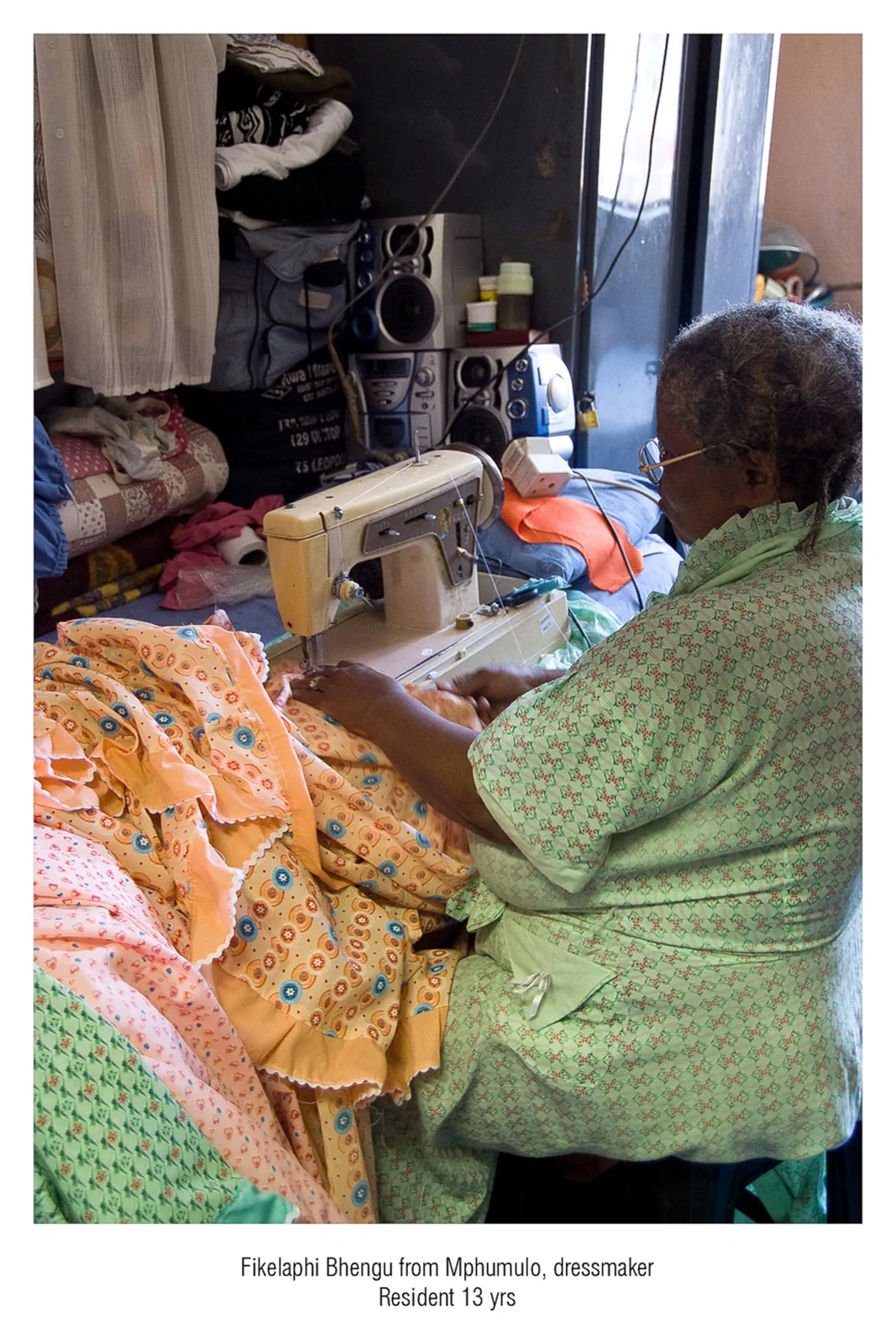
From these limitations or opportunities, lives are built, dignity is maintained, incomes are generated and a unique communal order created that quietly and steadily prevails. In the context of huge urban housing backlogs, and the unserviced or underserviced informal settlements on the urban periphery, hostels are often relatively well located, cheap, secure, and supplied with serviced utilities. Security measures may seem draconian in that the residents are essentially locked in at night, but the trade-off is that these women are safe, and in many ways, are living on their own terms; beyond planning policies, beyond cultural traditions of land tenure that emphatically restricted social and physical mobility of women. Here is a new place of contemporary, female urbanity.
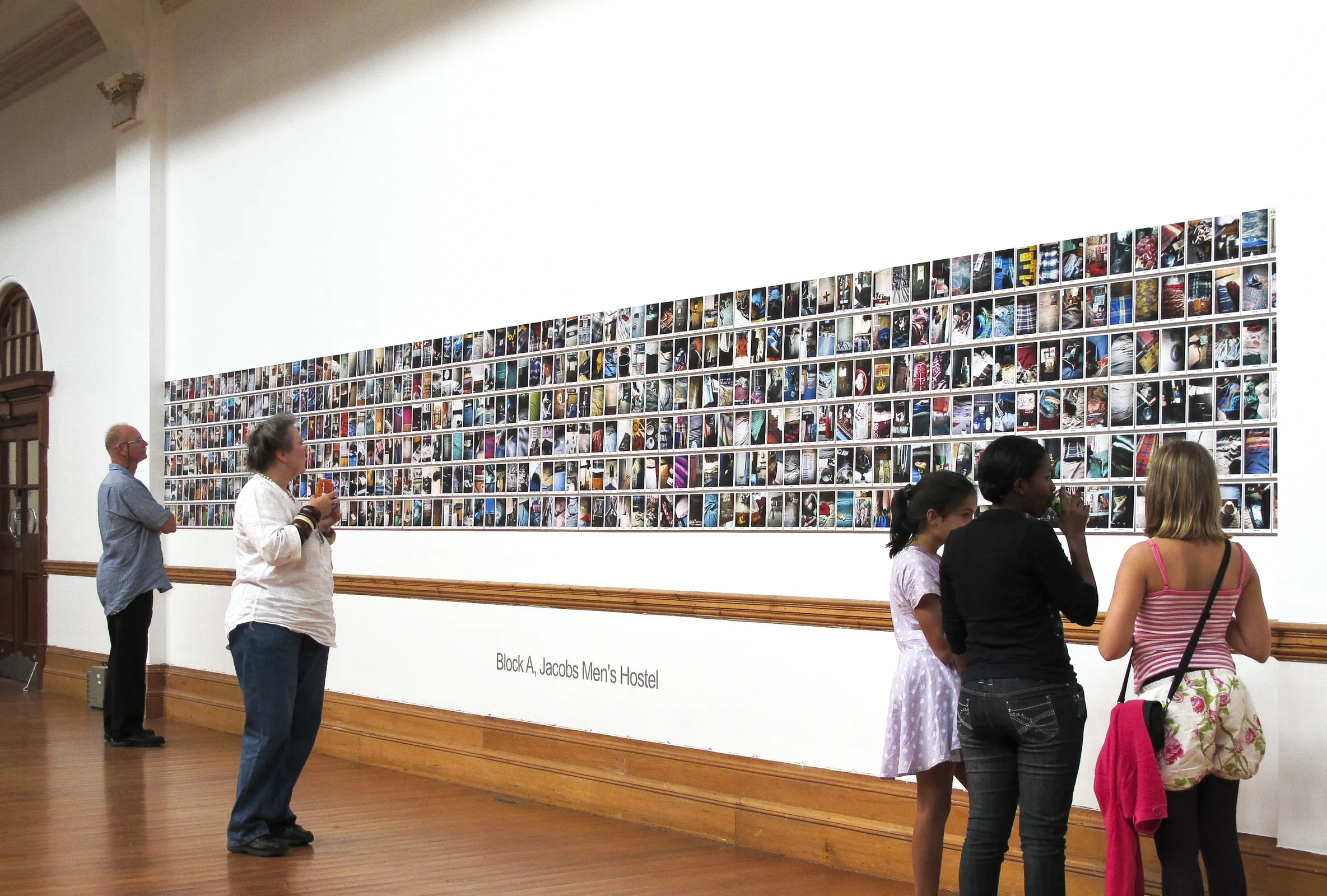
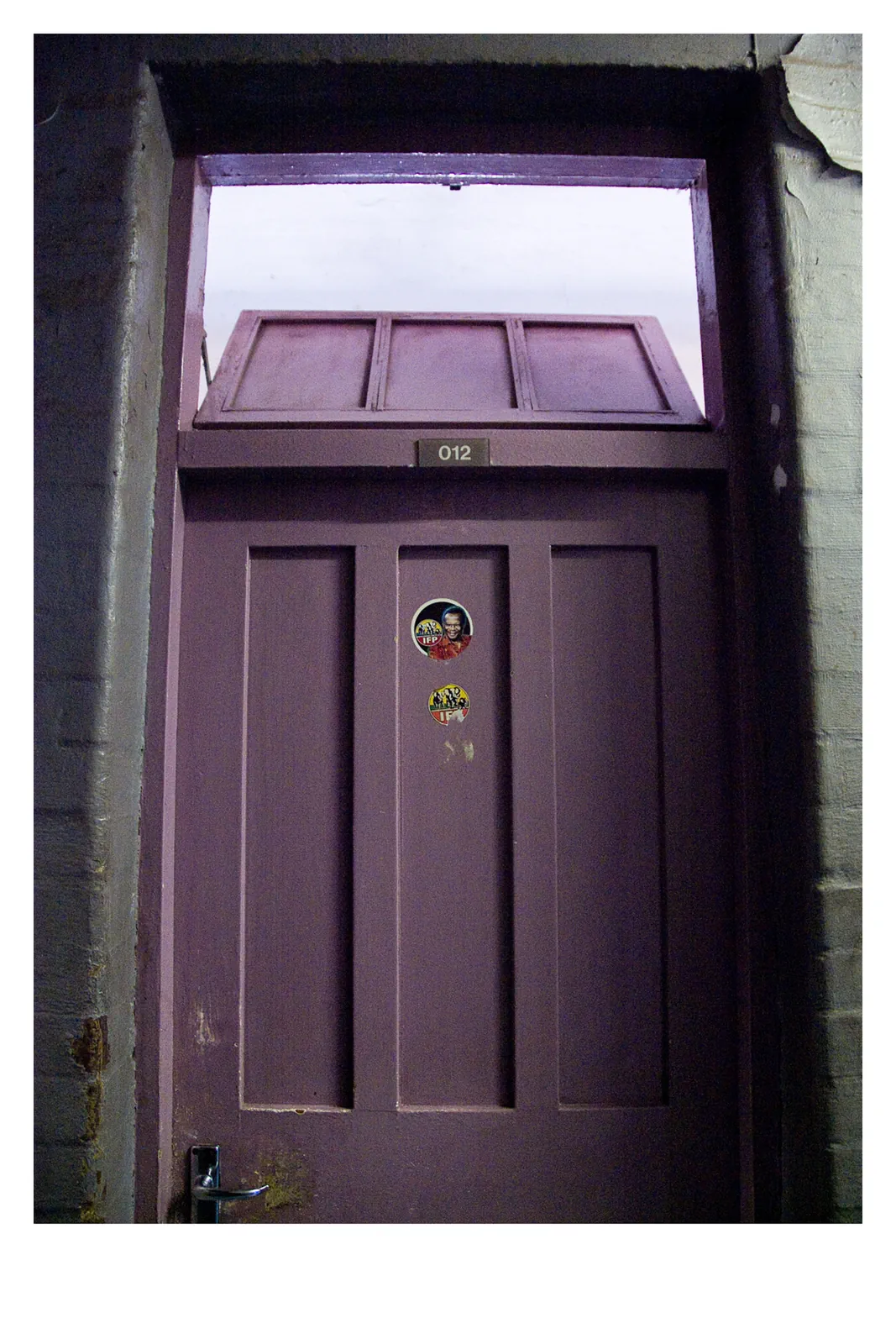
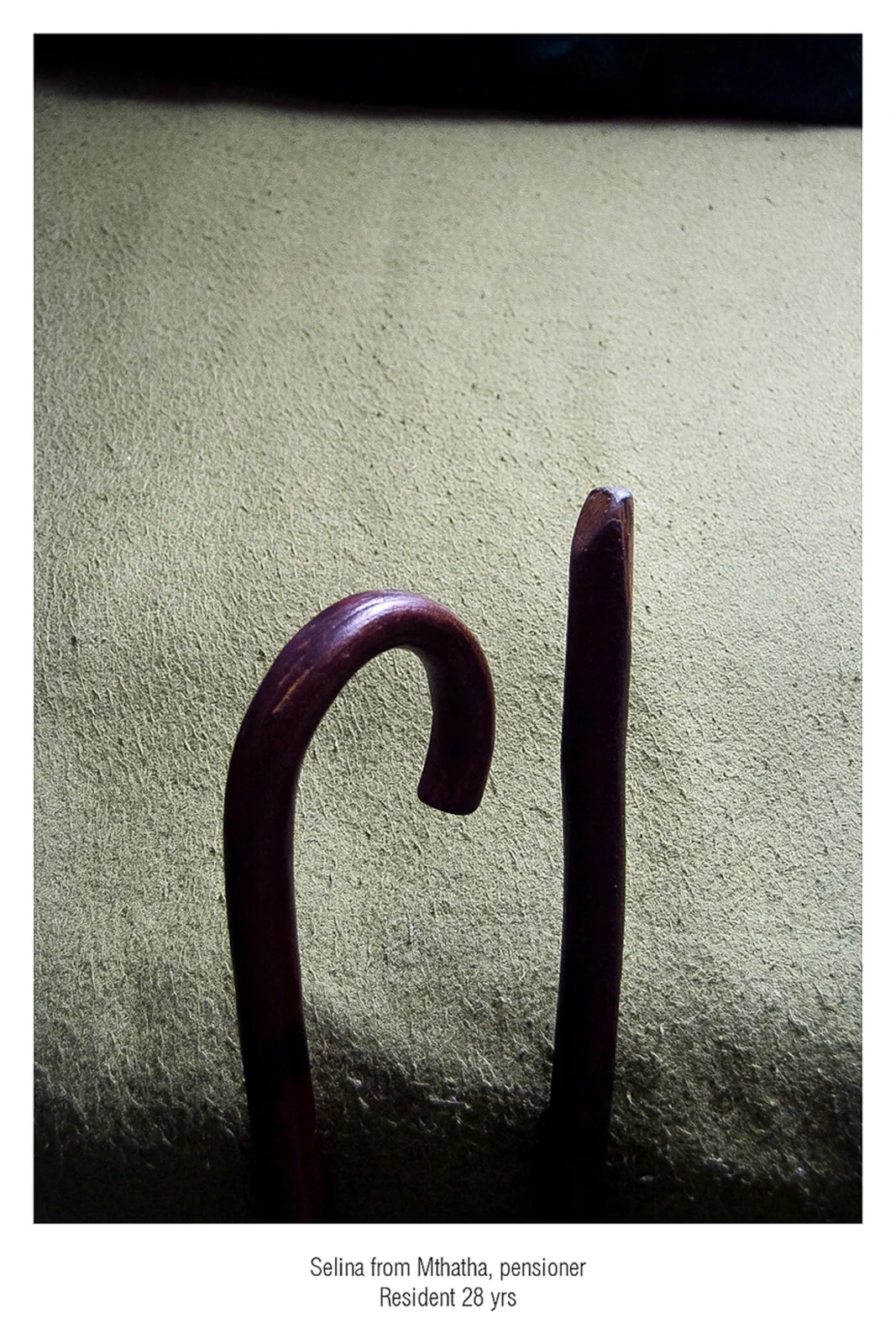
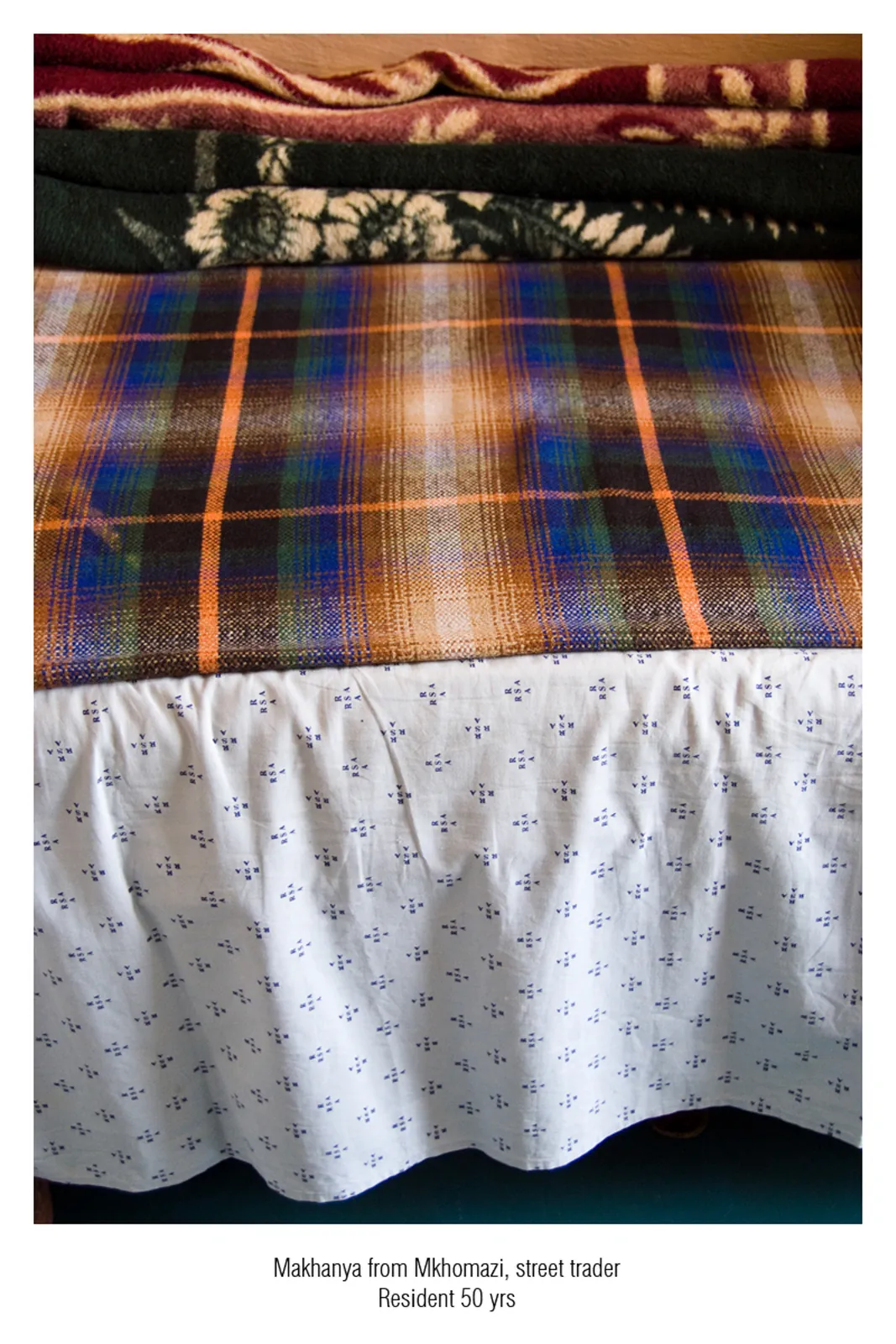
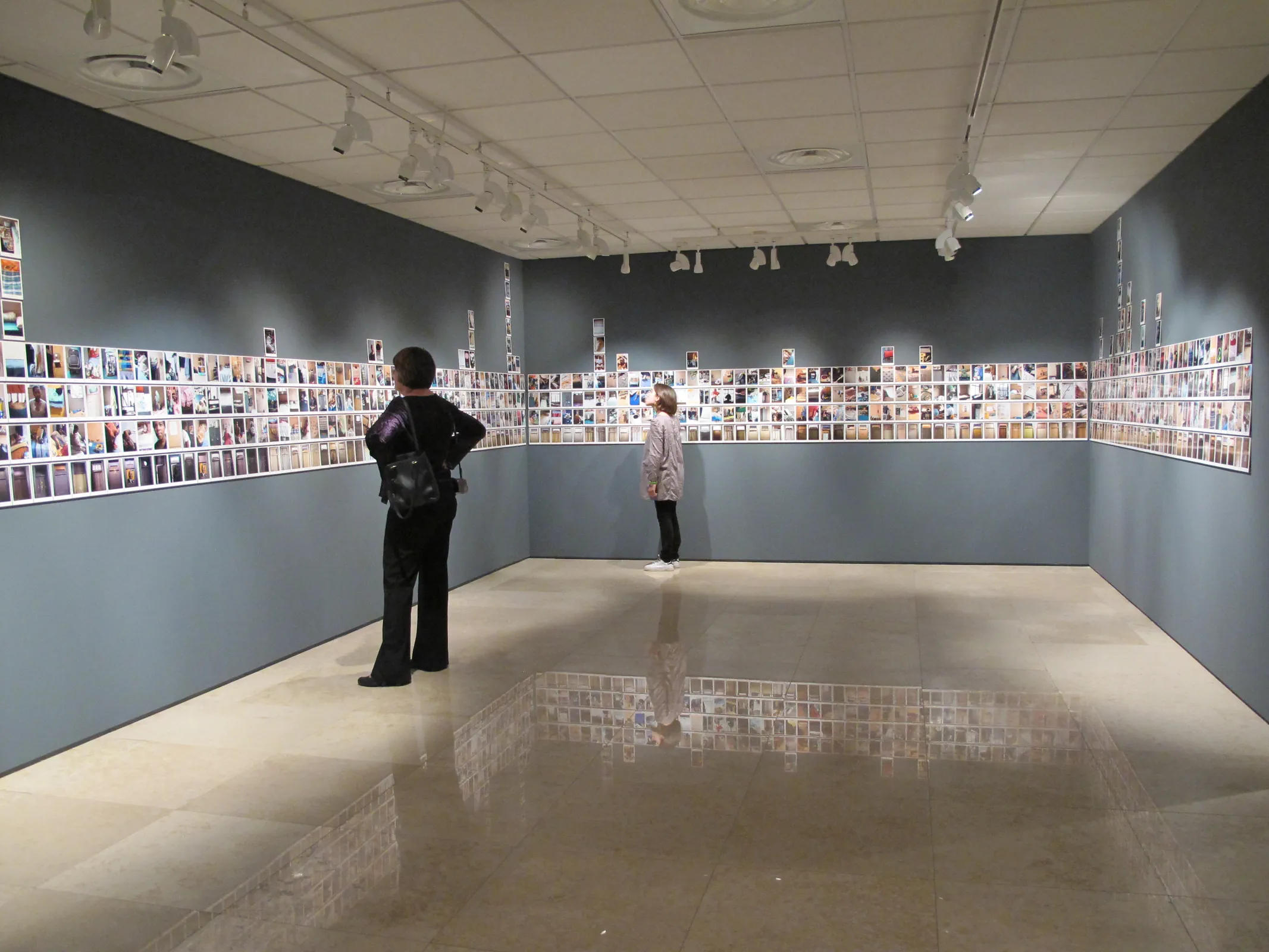
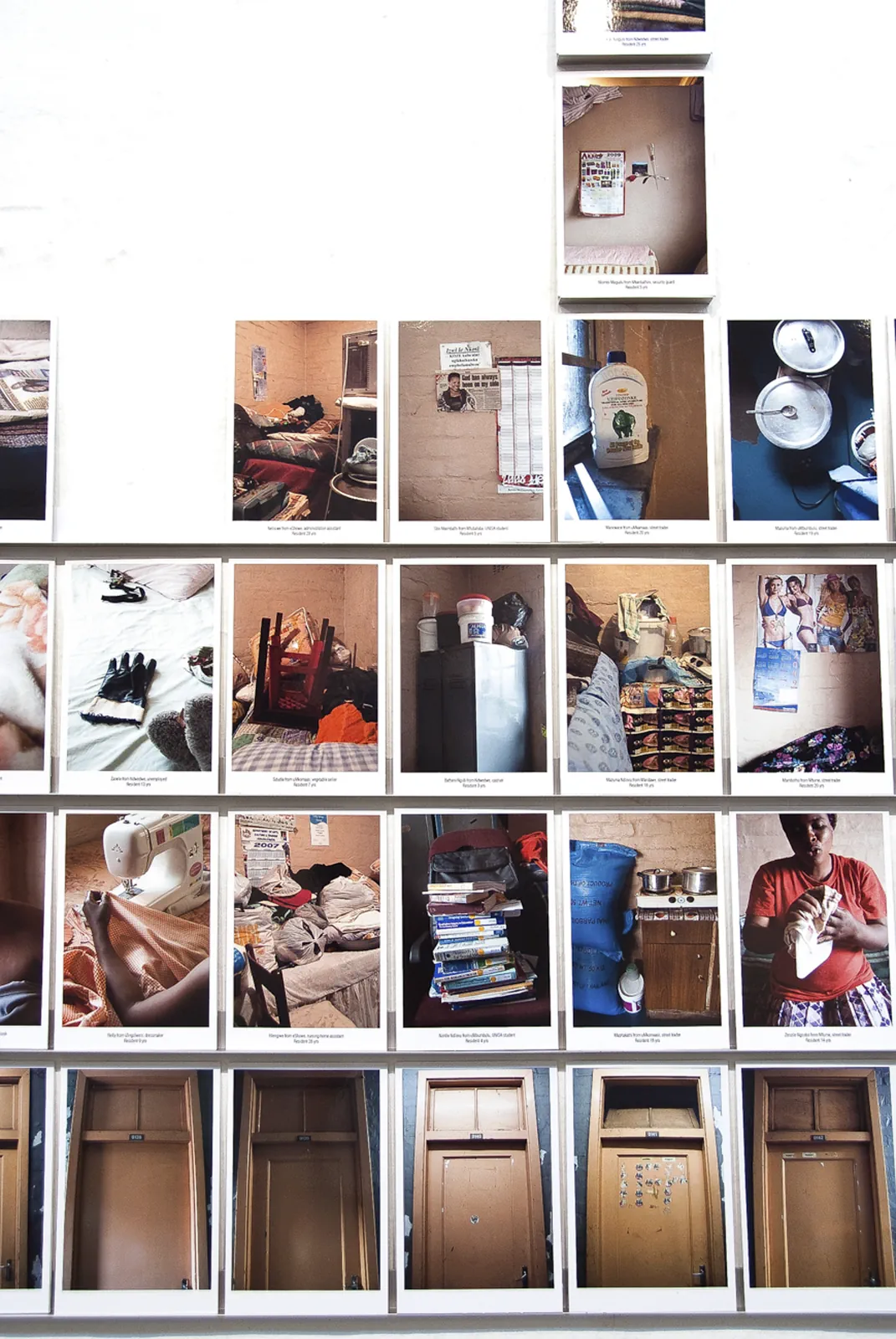
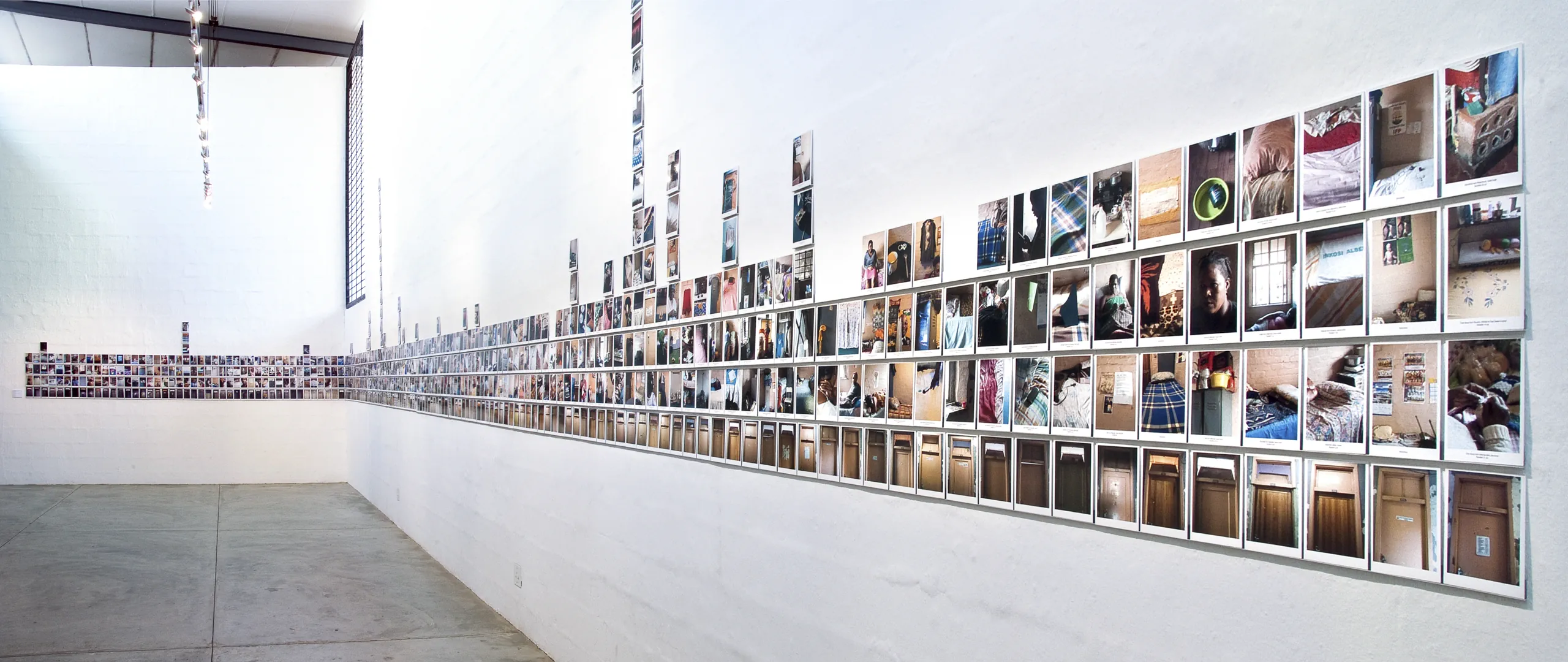
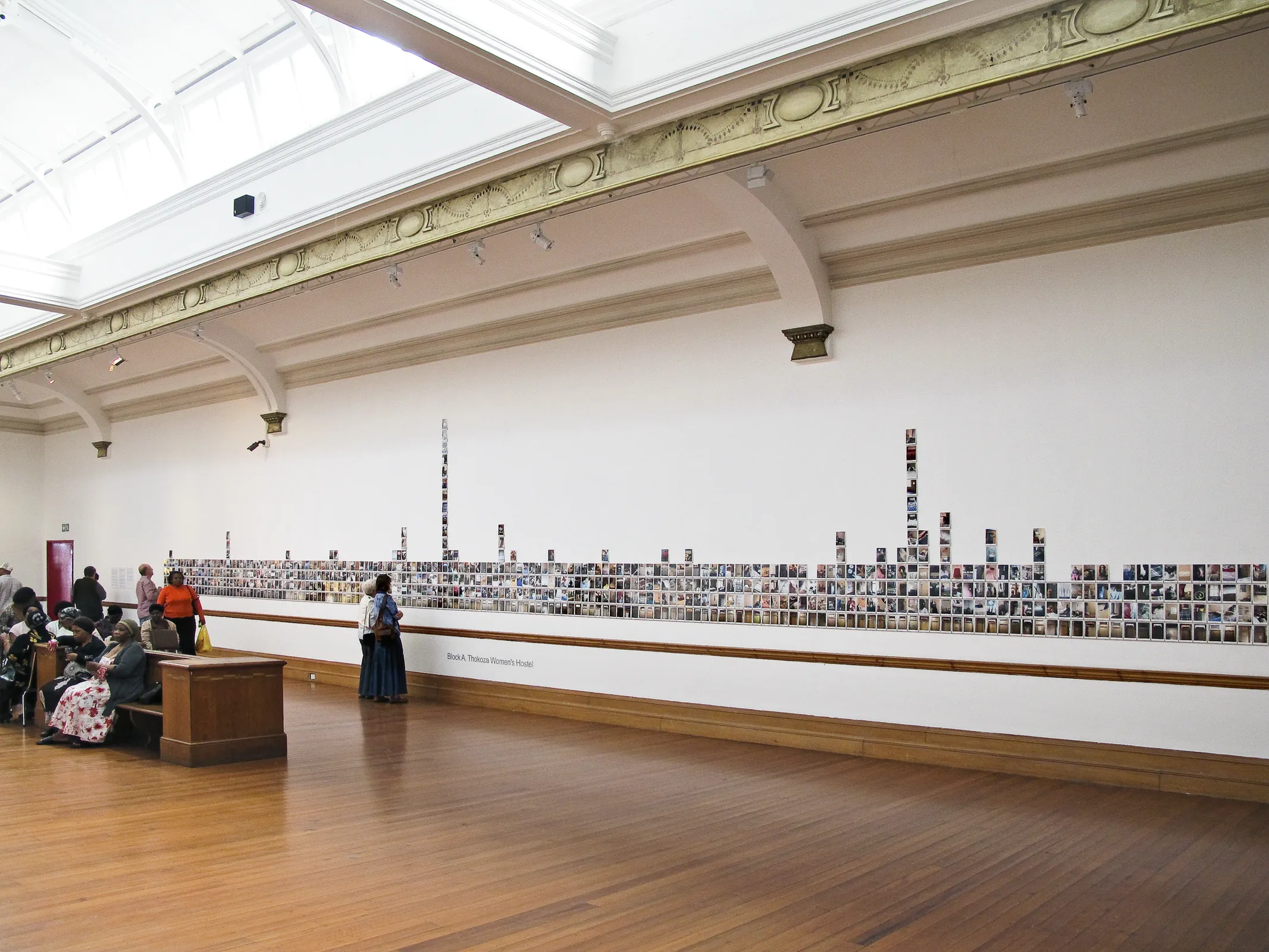
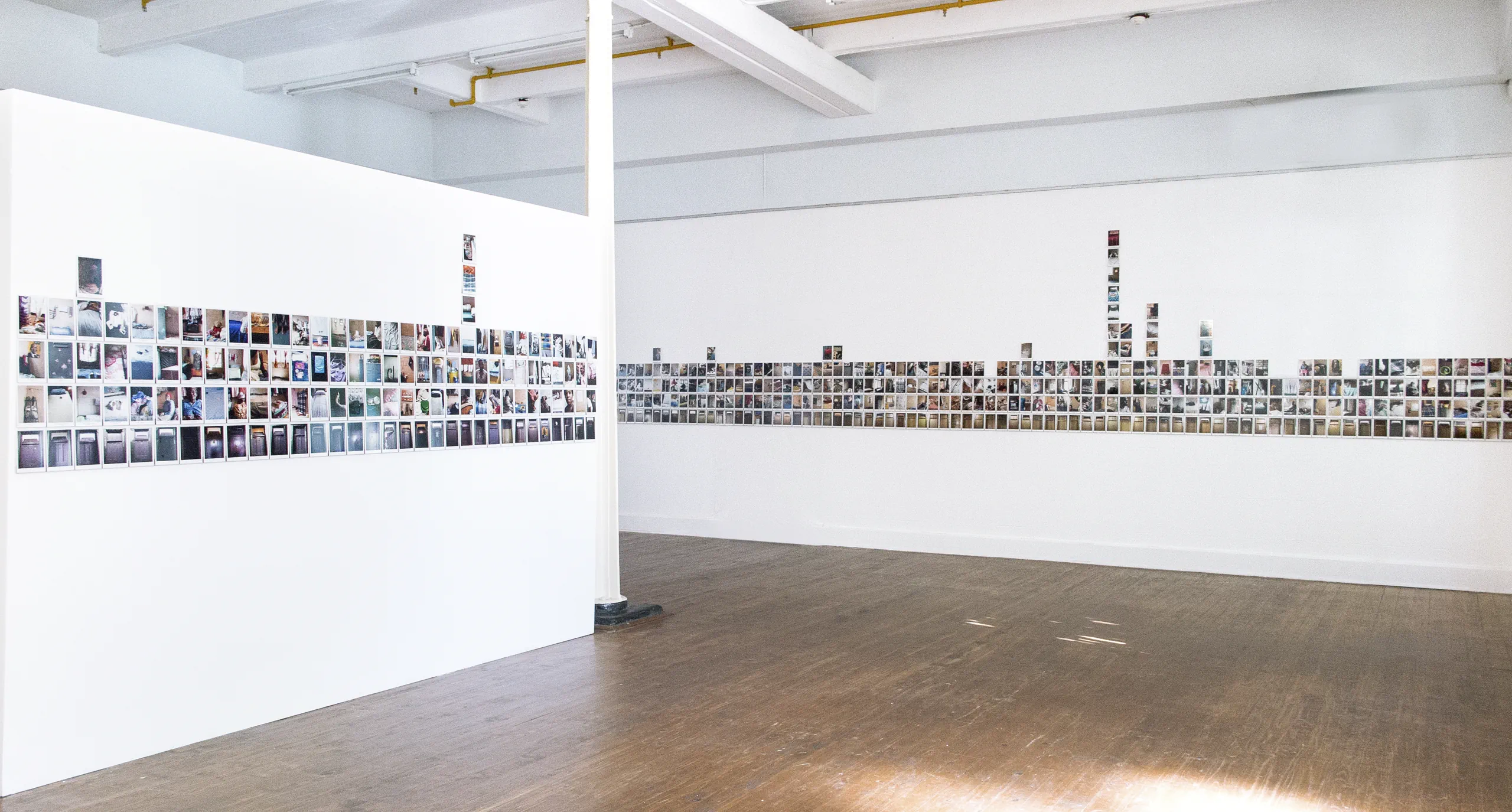
Block A, Thokoza Womens Hostel is the sister version of a previous artwork titled, Block A, Jacobs Men’s Hostel produced in 2002. This was an extensive photographic record of all the beds in Durban’s oldest men’s hostel, 542 beds / prints. Each bed had a corresponding hostel registration number printed below each image. The photographic strategy for both artworks was to document each bed within a couple of seconds with one photographic frame only. With the Thokoza artwork, each image includes personal data: the resident’s calling name, hometown, occupation, and duration of stay in the hostel. This data unveiled an extraordinary tapestry about women’s lives. Block A, Thokoza Womens Hostel installation is made up of 699 prints.
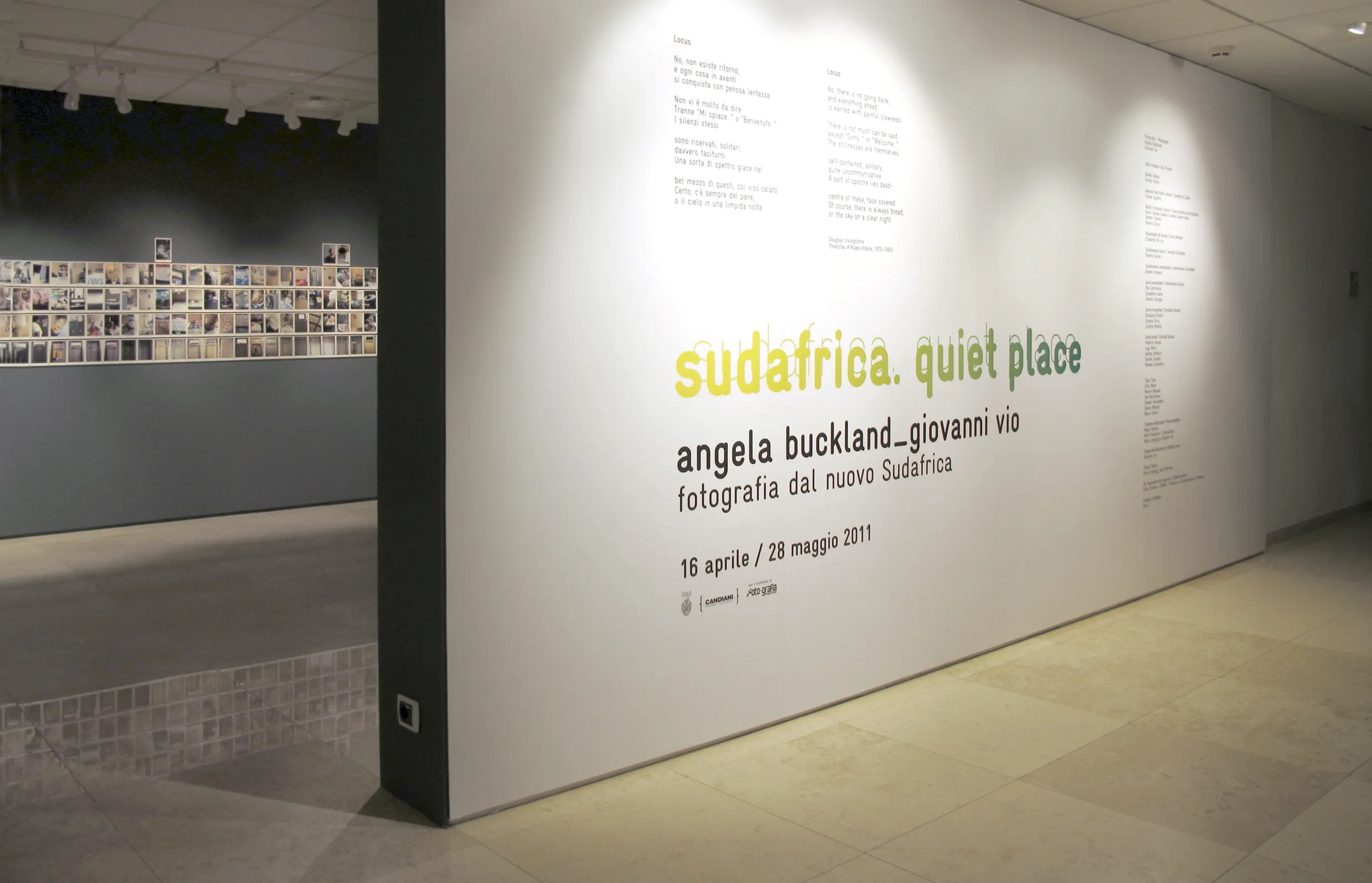
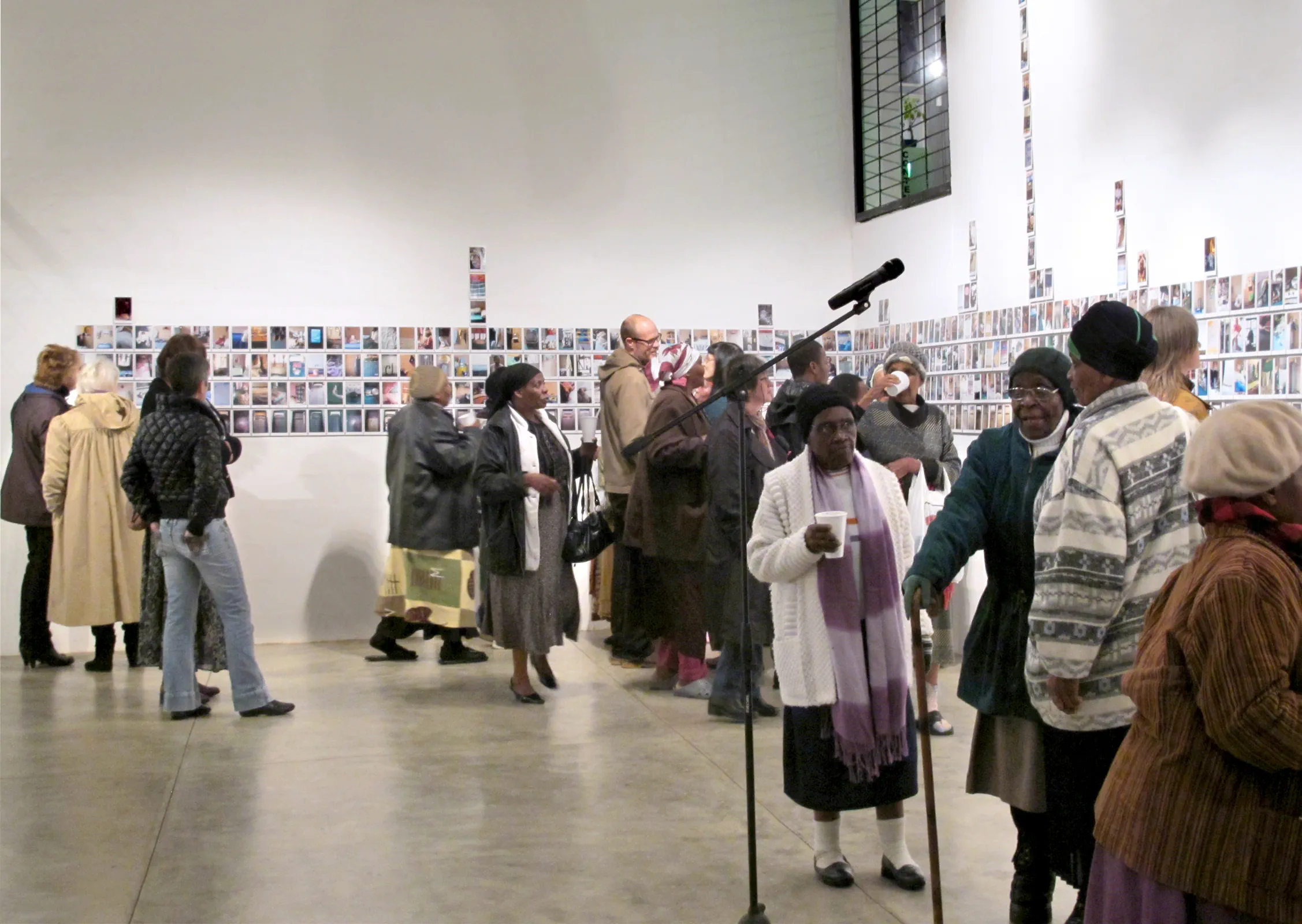
Installation of 699 C-type prints, each 10 x 15 cm. Complete installation measures 300 x 1,800 cm. Exhibited at the Candiani Cultural Centre, Italy; KZNSA Gallery, Durban; Durban Art Gallery; Iziko South African National Gallery, Cape Town; and the Art Gallery of North-West University, Potchefstroom. Durban Art Gallery Collection.
No prints from this series are currently available for sale. Please use the enquiry form for more information.